
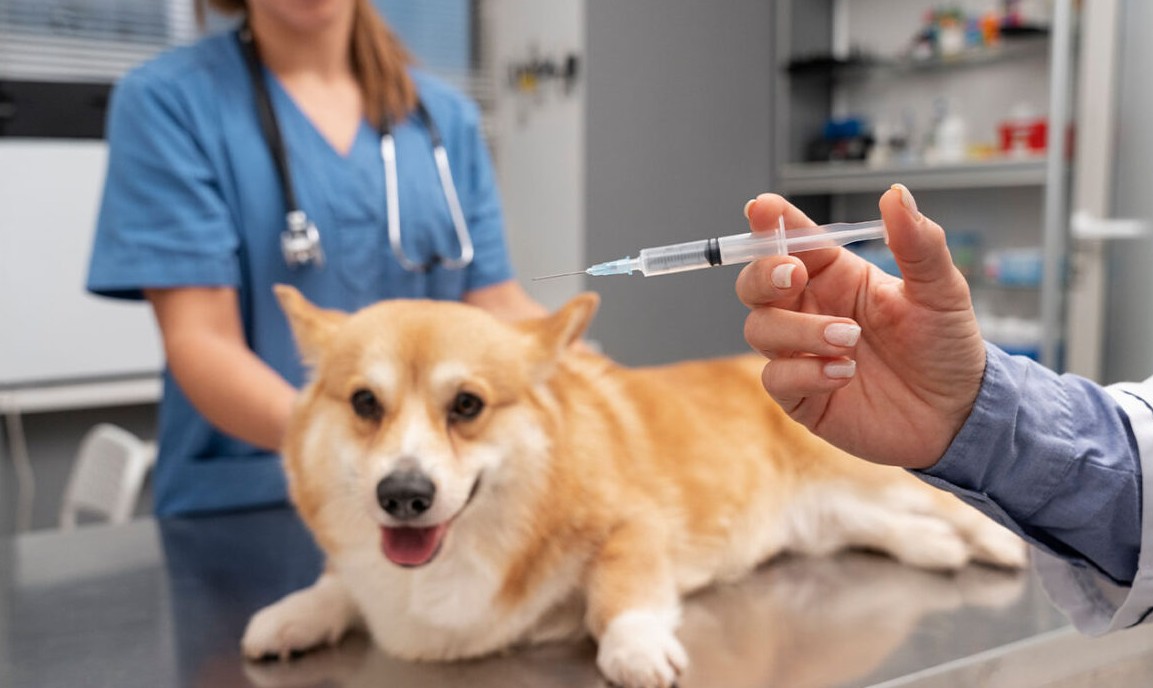
The world of veterinary medicine is evolving rapidly, and nowhere is that transformation more visible than in Dubai. In 2026, orthopedic veterinary care has entered a new era where advanced joint replacement procedures, regenerative medicine, and personalized surgical planning are becoming standard practice. Pet owners today expect the same level of healthcare for their animals that humans receive, and orthopedic vet in Dubai are responding with groundbreaking innovations.
From artificial hip implants for large dogs to minimally invasive surgeries for aging cats, veterinary orthopedics is reshaping how mobility disorders are treated. Animals suffering from arthritis, hip dysplasia, ligament injuries, and degenerative joint disease are now experiencing faster recovery times, better mobility, and dramatically improved quality of life.
Dubai’s veterinary sector has become known for combining cutting-edge medical technology with luxury pet care standards. Orthopedic veterinarians are embracing digital diagnostics, customized implants, robotic-assisted surgery, and rehabilitation therapies that were once only available in elite human hospitals. As pet ownership rises and owners become increasingly invested in long-term wellness, demand for advanced orthopedic procedures continues to grow.
One of the biggest trends in 2026 is the move toward personalized joint replacement surgery. Traditional “one-size-fits-all” implants are gradually being replaced with custom-designed solutions tailored to an animal’s anatomy. Using advanced imaging technologies such as CT scans and 3D modeling, orthopedic veterinarians can now create implants that match the exact bone structure of the patient. This precision reduces complications, improves implant stability, and shortens recovery time.
3D printing technology is also revolutionizing veterinary orthopedics across Dubai. Custom surgical guides and patient-specific implants are helping surgeons perform highly accurate procedures. In complex joint replacement cases, 3D-printed models allow vets to rehearse surgeries before entering the operating room. This preparation minimizes surgical risk and improves outcomes for pets with severe skeletal deformities or traumatic injuries. You can make make visit to petflix vet clinic
Another major advancement is the growing popularity of minimally invasive orthopedic surgery. In the past, joint replacement surgeries often required large incisions and lengthy healing periods. Modern arthroscopic techniques now allow orthopedic veterinarians to operate through tiny incisions using specialized cameras and instruments. This reduces tissue damage, decreases pain, and enables pets to recover more quickly.
Minimally invasive procedures are especially important for senior pets. Aging dogs and cats frequently suffer from osteoarthritis and joint degeneration. Older animals are more vulnerable to complications from major surgery, so less invasive methods significantly improve safety and comfort. In 2026, orthopedic specialists in Dubai are increasingly recommending minimally invasive options whenever possible.
Artificial intelligence is also becoming an essential tool in veterinary orthopedics. AI-powered diagnostic software can analyze imaging scans with remarkable precision, helping veterinarians identify joint abnormalities earlier than ever before. Machine learning systems are assisting surgeons in preoperative planning by predicting implant fit, alignment, and postoperative outcomes.
This data-driven approach improves surgical accuracy and reduces the risk of implant failure. AI systems can even monitor rehabilitation progress by tracking gait patterns and mobility changes over time. For orthopedic vets in Dubai, artificial intelligence is enhancing both diagnosis and long-term patient care.
Regenerative medicine is another revolutionary trend transforming joint replacement treatment. Instead of relying solely on artificial implants, veterinarians are now combining surgery with stem cell therapy and platelet-rich plasma treatments. These regenerative techniques help repair damaged tissue, reduce inflammation, and accelerate healing.
Stem cell therapy has become particularly valuable for animals with chronic arthritis or cartilage degeneration. By stimulating natural tissue regeneration, vets can improve mobility and reduce pain without excessive dependence on medication. Many orthopedic clinics in Dubai now integrate regenerative medicine into both surgical and nonsurgical treatment plans.
Biocompatible implant materials are also changing the future of veterinary joint replacement. Traditional metal implants remain effective, but newer materials such as titanium alloys, advanced ceramics, and high-performance polymers offer improved durability and compatibility with surrounding tissue. These materials reduce the likelihood of rejection or inflammation while improving long-term functionality.
Titanium implants are especially popular because they are lightweight, corrosion-resistant, and highly compatible with bone tissue. Advanced implant coatings are also encouraging faster bone integration, helping pets regain mobility sooner after surgery.
Another emerging trend is the rise of robotic-assisted orthopedic procedures. Although still developing in veterinary medicine, robotic systems are already helping surgeons achieve greater precision during complex joint replacements. Robotics can assist with bone cutting, implant positioning, and alignment corrections with exceptional accuracy.
In Dubai, high-end veterinary hospitals are increasingly investing in robotic surgical systems to improve orthopedic outcomes. While robotic surgery may not yet be widespread, it represents the future direction of advanced veterinary care.
Rehabilitation and physiotherapy have become equally important components of joint replacement treatment. Orthopedic surgery alone is no longer considered sufficient for optimal recovery. Modern veterinary rehabilitation programs include hydrotherapy, laser therapy, underwater treadmills, strength conditioning, and mobility exercises designed to restore function after surgery.
Hydrotherapy remains one of the most effective rehabilitation techniques because it allows pets to exercise without placing excessive stress on healing joints. Underwater treadmills help rebuild muscle strength while reducing pain and inflammation. Many orthopedic clinics in Dubai now employ certified rehabilitation specialists who work alongside surgeons to create personalized recovery plans.
Pain management strategies are also evolving significantly in 2026. Veterinarians are moving away from heavy reliance on opioids and adopting multimodal pain control methods. These approaches combine anti-inflammatory medications, nerve blocks, laser therapy, and regenerative treatments to minimize discomfort while reducing side effects.
Long-acting pain relief injections are becoming increasingly common, allowing pets to remain comfortable for weeks following surgery. Improved pain management helps animals recover more quickly and improves overall surgical success rates.
Preventive orthopedics is another growing focus area among Dubai veterinarians. Instead of waiting for severe joint damage to occur, many clinics now emphasize early screening and proactive intervention. Breed-specific orthopedic assessments can identify animals at risk for hip dysplasia, elbow dysplasia, or ligament disorders before symptoms become severe.
Weight management programs, nutritional counseling, and targeted exercise plans are helping prevent joint deterioration in vulnerable pets. Early intervention often reduces the need for major surgery later in life.
Telemedicine is also influencing orthopedic veterinary care in Dubai. Virtual consultations allow specialists to monitor recovery progress remotely, reducing the need for repeated clinic visits. Pet owners can share videos of their animal’s movement and receive guidance on rehabilitation exercises from home.
Wearable health technology for pets is another rapidly expanding trend. Smart collars and mobility trackers can monitor activity levels, gait patterns, and movement irregularities. This data helps orthopedic vets evaluate recovery progress and detect complications earlier.
The emotional bond between pets and owners is one of the driving forces behind the growth of advanced orthopedic care. Pet owners increasingly view animals as family members and are willing to invest in premium treatments that improve longevity and quality of life. Joint replacement procedures that were once considered rare or experimental are now becoming routine in many veterinary hospitals.
As Dubai continues to establish itself as a leader in advanced veterinary medicine, orthopedic specialists are expected to adopt even more sophisticated technologies in the coming years. Gene therapy, bioengineered cartilage, and fully customized biomechanical implants may soon redefine what is possible in veterinary orthopedics.
The future of joint replacement surgery is no longer limited to restoring movement. It is about enhancing comfort, extending lifespan, and helping pets enjoy active, pain-free lives for as long as possible. In 2026, every orthopedic vet in Dubai is witnessing a remarkable transformation in how musculoskeletal conditions are diagnosed, treated, and managed.
These revolutionary trends are not simply improving surgical techniques. They are reshaping the entire philosophy of veterinary care. With innovations in imaging, regenerative medicine, robotics, rehabilitation, and personalized treatment planning, orthopedic veterinary medicine in Dubai is entering one of the most exciting periods in its history. Pets today are benefiting from a level of orthopedic care that was unimaginable only a decade ago, and the future promises even greater advancements ahead.
